

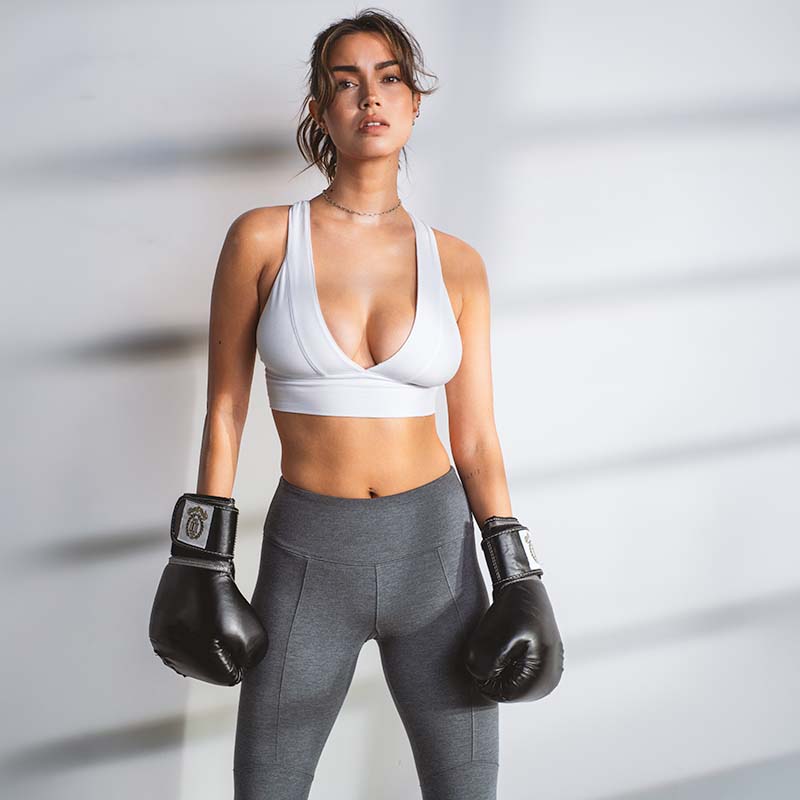
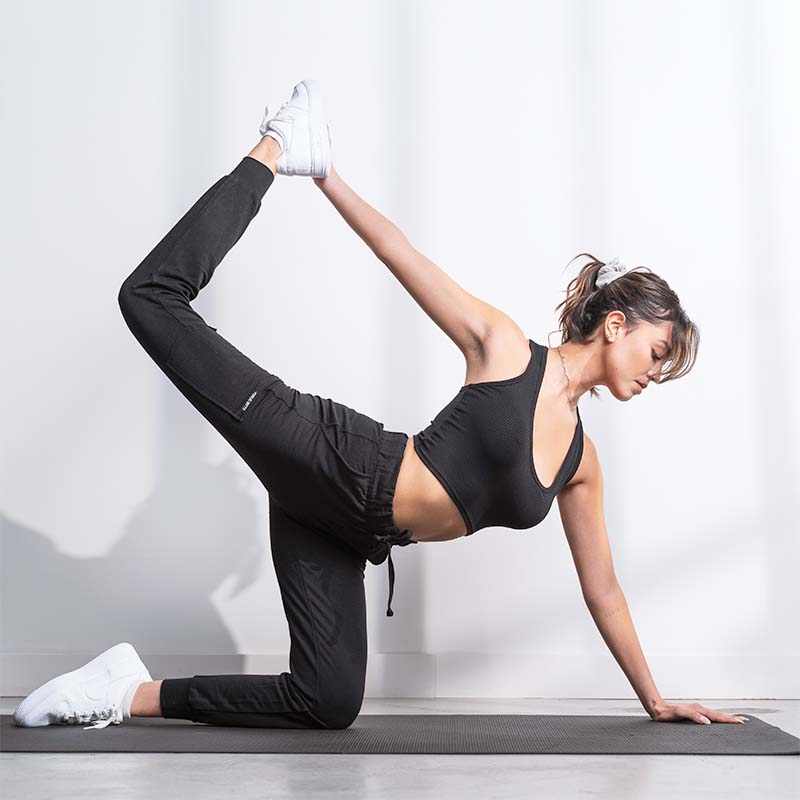
Sustainable activewear is workout clothing, yoga wear and apparel for any active lifestyle made with environmentally responsible fabrics and ethical production methods. At Public Myth, our activewear is crafted using natural fibers like bamboo, organic cotton, merino wool and Tencel — creating breathable, non-toxic performance clothing that feels better for your body and the planet.
What Is Sustainable Activewear?
Sustainable activewear refers to workout clothing designed to minimize environmental impact through responsible materials and ethical manufacturing. Unlike conventional gym clothes made from petroleum-based polyester or nylon, sustainable activewear uses natural or low-impact fibers such as bamboo, organic cotton, Tencel and merino wool.
Why Most Activewear Is Not Sustainable
Most activewear is far from eco‑friendly because it’s built on synthetic activewear fabrics like polyester and nylon—materials derived from fossil fuels that shed microplastics from clothing every time they’re washed. These tiny particles flow into waterways, harming marine life and entering the food chain. On top of that, many brands rely on toxic dyes and chemical finishes that contribute to toxic workout clothes, exposing both workers and wearers to potentially harmful substances. The result is a cycle of pollution that starts in production and continues long after the garment reaches your closet. The good news is that truly sustainable activewear is emerging as a solution, using natural fibers, low‑impact dyes, and closed‑loop systems that dramatically reduce environmental harm.
The Best Fabrics for Sustainable Activewear
Bamboo Activewear
Benefits
• breathable
• antibacterial
• biodegradable:
Organic Cotton Activewear
Benefits:
• pesticide free
• soft
• durable

Merino Wool Activewear
Benefits:
• temperature regulating
• odor resistant
• natural performance fiber
Tencel Activewear
Benefits:
• sustainable wood pulp fiber
• moisture wicking
• low environmental impact
Linen Activewear
Benefits:
• extremely breathable
• durable
• biodegradable

For more on Sustainable Fabrics click here
Benefits of Sustainable Activewear
Better for your skin
- Natural fibers are breathable and free from harmful synthetic chemicals.
Better for the environment
- Natural fibers break down more easily than synthetic fabrics.
Better performance
- Merino wool and bamboo regulate temperature naturally.
Longer lasting clothing
- High-quality fibers last longer than fast fashion activewear.
Our Sustainable Activewear Collection
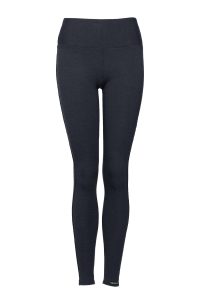
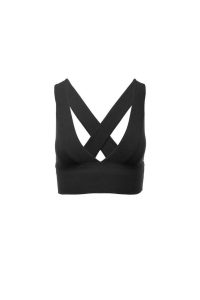
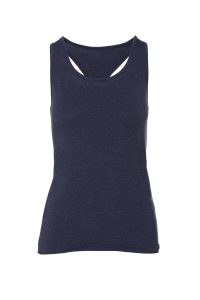
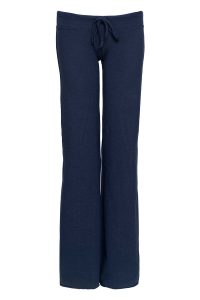
Public Myth designs sustainable activewear that balances performance, comfort and environmental responsibility.
What Makes Public Myth Different?
Unlike most activewear brands that rely on polyester and synthetic fabrics, Public Myth focuses on natural fibers designed for comfort, breathability and sustainability with small batch production and ethical manufacturing.
How to Choose Sustainable Activewear
Tips:
- look for natural fibers
- avoid polyester and nylon blends
- void clothing with marketing terms like “Anti-odor treatment” or “Moisture wicking technology” as these are more than likely toxic chemicals added to get this performance which will be absorbed into you skin and/or washed out in the environment. Merino wool, bamboo and Tencel are naturally antibacterial and moisture wicking that don’t require the use of toxic chemicals.
- check certifications such as organic and OEKO-TEK 100 for harmful substances
- Sustainable Activewear FAQ
FAQs
What is sustainable activewear?
Sustainable activewear is athletic clothing designed to reduce environmental harm by using eco‑friendly natural materials, ethical manufacturing, and lower‑impact dyeing and finishing processes. It aims to deliver the same performance as traditional synthetic activewear—without the pollution, microplastic shedding, or toxic chemical load associated with conventional fabrics.
Is Tencel activewear sustainable?
Tencel is similar to bamboo as it’s made from eucalyptus, beech and birch trees in a closed loop system is contains the chemicals used to turn the pulp into yarn. It is also biodegradable within a few months in the correct conditions and doesn’t require any toxic performance treatments like synthetics do. This make it much more sustainable than any synthetic activewear.
Is polyester activewear bad for the environment?
Polyester is extremely bad for the environment as it releases microplastics into our environment, takes over 150 years to biodegrade and is ofter treated with toxic chemicals enabling it to be moisture wicking, breathable and odor resistant. If polyester is not treated with chemicals it often holds on to odors.
What are the most sustainable fabrics for workout clothes?
The most sustainable fabric for workout clothes or any other clothing’s is made from natural fibers such as merino wool, linen and organic cotton. Fabrics like Tencel and bamboo come in a close second as they do require chemicals to make the tree pulp into yarn but do not require chemical treatment for performance factors as these occur naturally.
Is merino wool good for exercise?
Merino wool is the quickest drying natural fabric on the market making it exceptional for exercise and working out.