
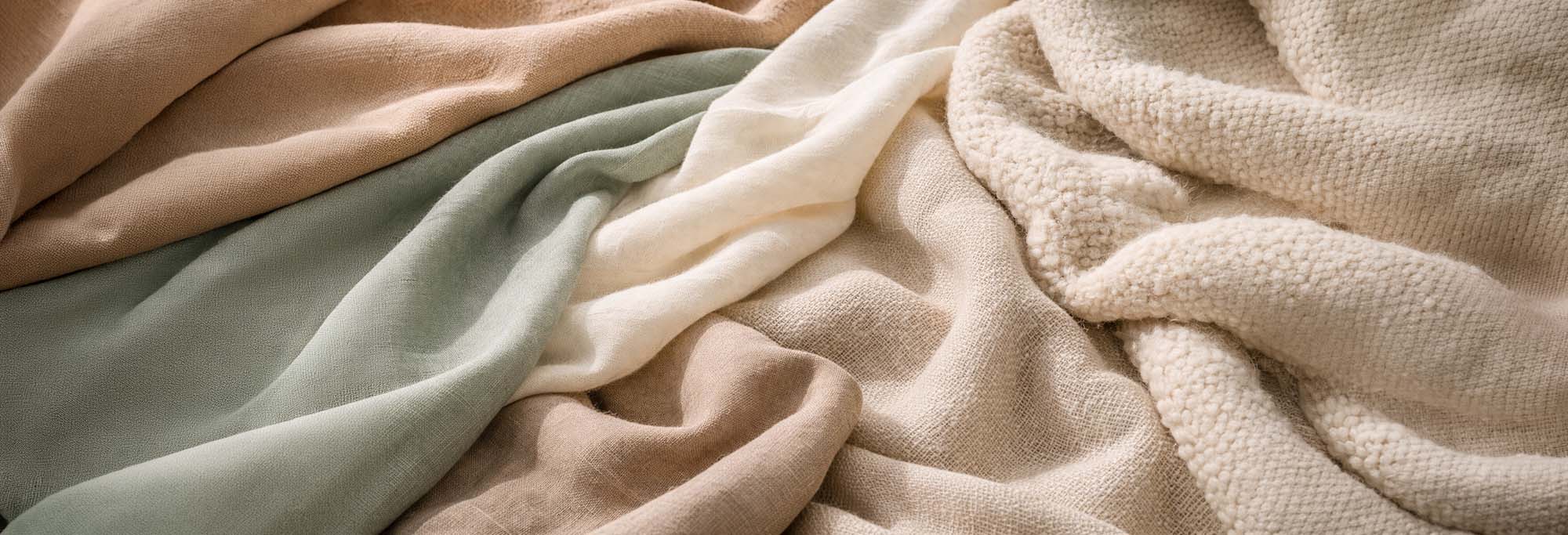
Choosing what you wear is one of the most personal decisions you make every day. It touches your skin, moves with your body, and quietly tells a story about what you value. At Public Myth, we believe sustainability doesn’t have to be overwhelming or perfect — it’s about making thoughtful choices, one fabric at a time.
Here’s a closer look at some of the most sustainable fabrics available today, why they matter, and how they support a more conscious way of living.
What Are Sustainable Fabrics?
Sustainable fabrics are materials made with respect for the planet, the people who produce them, and the longevity of the garment itself. That usually means they require fewer natural resources, avoid toxic chemicals, and are designed to last — not fall apart after a season.
Sustainability isn’t about doing everything “right.” It’s about choosing better where you can and moving forward with intention.
What Fabrics Are Sustainable?
Sustainable fabrics come from renewable sources, are responsibly processed, and minimize harm to ecosystems. Some are plant-based, some are animal-based, and others are made from innovative natural fibers. Below are some of the most trusted, time-tested, and forward-thinking options.
Linen
Linen is made from flax — a resilient plant that thrives with very little water and usually doesn’t require pesticides. Nearly every part of the flax plant can be used, which means less waste from field to fabric.
Why we love it: linen is breathable, durable, and gets softer with age. It’s proof that sustainability and effortless style can coexist beautifully.

Hemp
Hemp is one of the most eco-friendly fibers on the planet. It grows quickly, enriches the soil, and uses significantly less water than conventional cotton. It’s naturally resistant to pests, so chemicals are rarely needed.
Why it’s sustainable: hemp fibers are incredibly strong, which means garments last longer and need replacing less often — a quiet win for the planet.
Organic Cotton
Unlike conventional cotton, organic cotton is grown without synthetic pesticides or genetically modified seeds. This protects soil health, water systems, and the farmers who grow it.
Why it matters: organic cotton feels familiar and comfortable while dramatically reducing environmental impact. It’s a gentle upgrade that makes a real difference.
Wool
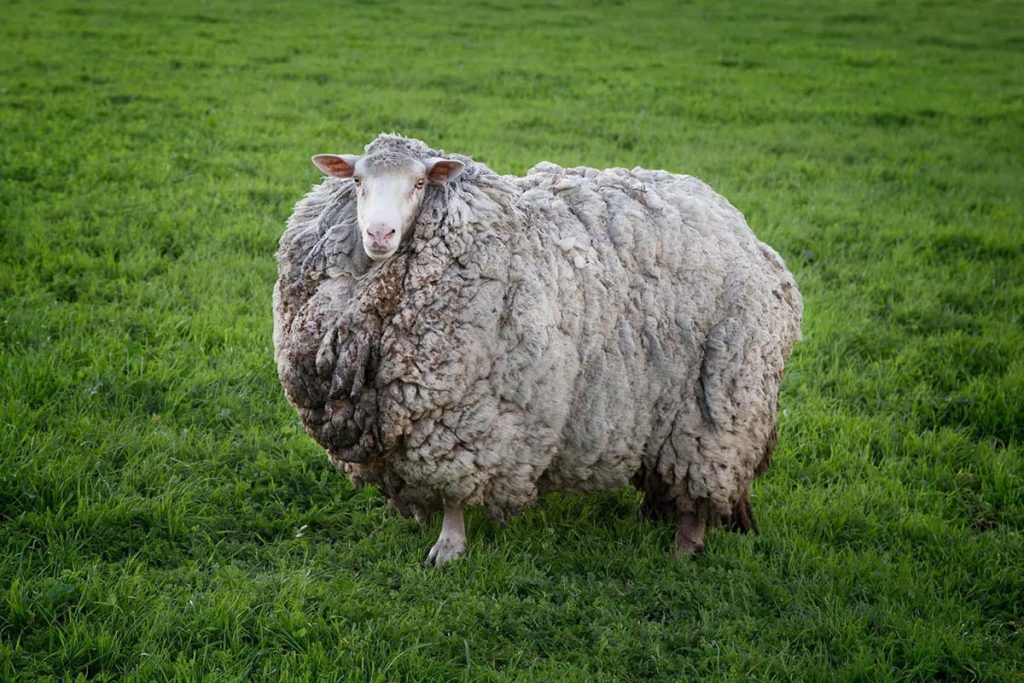
Wool is a renewable, biodegradable fiber that comes from animals cared for season after season. When sourced responsibly, wool supports regenerative farming practices and natural land cycles.
Why it’s sustainable: wool regulates temperature naturally, resists odors, and lasts for years. It’s a fiber that works with your body — not against it.
TENCEL™ (Lyocell)
TENCEL™ is made from sustainably harvested wood pulp, often eucalyptus, in a closed-loop process that reuses water and solvents. The result is a fabric that’s silky-soft and remarkably low-impact.
Why it stands out: TENCEL™ proves innovation can feel luxurious while still being kind to the Earth.
Which Fabric Is the Most Sustainable?
There’s no single “most sustainable” fabric — it depends on how it’s grown, processed, and used. Linen and hemp are among the lowest-impact plant fibers, while responsibly sourced wool and TENCEL™ shine for durability and performance.
The most sustainable fabric is often the one you’ll love, wear often, and keep for a long time.
Is Organic Cotton Worth It?
Yes — especially if you value comfort and impact in equal measure. Organic cotton supports healthier ecosystems and safer working conditions, all while delivering the softness people expect from cotton.
It’s an easy switch that supports a cleaner supply chain without sacrificing feel or function.
Are Natural Fabrics Better Than Synthetic Fabrics?
In most cases, yes. Natural fibers like linen, hemp, wool, and organic cotton biodegrade more easily and shed fewer microplastics than synthetics.
That said, thoughtfully man made fabrics like TENCEL™ can also be part of a sustainable wardrobe when produced responsibly and designed to last.
How Do Sustainable Fabrics Support Ethical Fashion?
Sustainable fabrics often go hand-in-hand with ethical production. Fewer chemicals, healthier farms, and safer working conditions create a system that values people as much as products.
When you choose better materials, you help shift the entire industry toward transparency and care.
How Can I Build a More Sustainable Wardrobe?
Start small. Look at fabric labels. Choose quality over quantity. Invest in pieces that move with you through seasons and years.
Sustainability isn’t about perfection — it’s about momentum. Every intentional choice adds up.
At Public Myth, we believe what you wear should support the life you want to live — active, thoughtful, and connected to something bigger. Choosing sustainable fabrics is one powerful way to align your wardrobe with your values, without losing joy, movement, or style.


Leave a Reply