

The conversation around sustainable bikini and swimwear has been dominated by recycled synthetics like ECONYL and other forms of repurposed plastics. While these materials offer a step forward in reducing plastic waste, they fall short when considering the full environmental impact—particularly when it comes to microplastic pollution and biodegradability.
At Public Myth, we believe a truly sustainable bikini should be made from natural, biodegradable fibers that do not contribute to ocean pollution. This is why we have chosen to craft our bikinis using Merino Wool and a Bamboo/Cotton blend—two materials that break down naturally and offer numerous benefits for both the wearer and the planet.

The Problem with Recycled Synthetics in Swimwear
Many brands market recycled polyester as an eco-friendly alternative, but the reality is more complex. As highlighted in our article, Recycled Polyester Clothing is Not Eco-Friendly, garments made from synthetic materials still shed microplastics with each wash and wear. These microplastics inevitably find their way into our oceans, harming marine life and entering the food chain.
Even though recycled polyester gives a second life to plastic waste, it does not solve the underlying issue of plastic pollution—it merely delays it.

Why Natural Fibers Are the Answer to a Sustainable Bikini
A true solution to ocean-friendly swimwear lies in biodegradable, non-toxic fabrics. Unlike synthetics, natural fibers like Merino Wool and Bamboo Cotton decompose over time without leaving harmful residues or microplastics behind.
The Best Fabric for Swimwear and Sustainable Bikinis
When choosing the best fabric for your swimwear and bikinis there a few factors to consider.
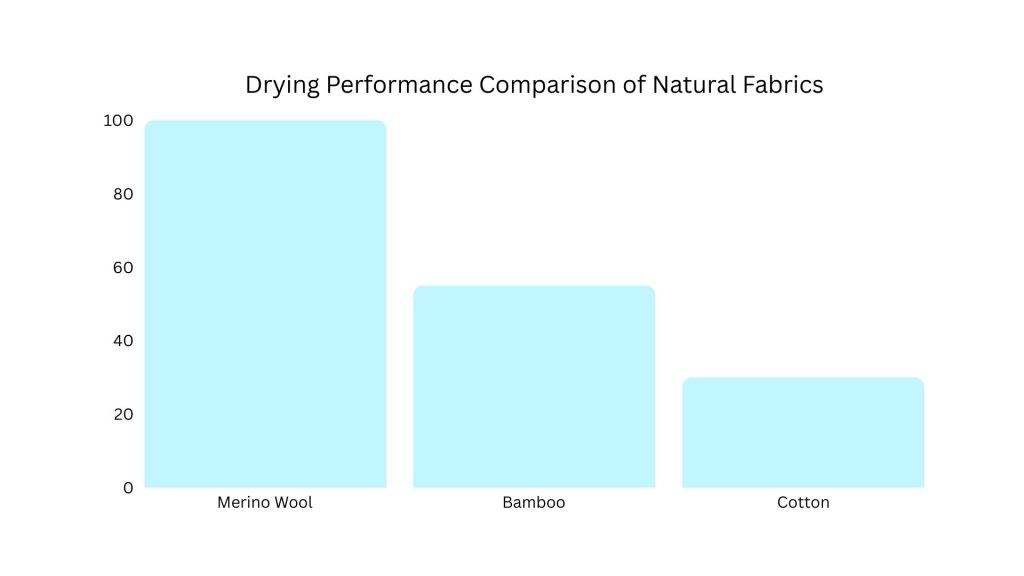
- Do you need a quick drying swimsuit? Then look for swimsuit made from merino wool as it is the quickest drying natural fabric. Merino wool is a natural, sustainable, and highly breathable fiber known for being incredibly soft, itch-free, and lightweight. Key properties include naturally anti-microbial and odor resistance. It is a 100% natural fiber derived from Merino sheep, making it a renewable and eco-friendly choice.
- If comfort is your top priority then look at bamboo and cotton blends. Bamboo and cotton blended bikinis are very comfortable, breathable and naturally antibacterial. It’s also on toxic and irritating. Bamboo dries quicker than 100% cotton but not as fast as merino wool, it’s somewhere in the middle. Bamboo is also a sustainable choice as it’s biodegradable and kind to those with sensitive skin.
- 100% organic cotton swimwear and bikins is also an option but a big factor to consider is that it does’t dry fast. It is comfortable but not nearly as breathable as merino wool to bamboo.
Bikini Myth
“85% Never Touch the Water” Myth: A frequently cited, though anecdotal, statistic suggests that 85% of bikinis sold never touch the water, indicating they are primarily used for fashion and sunbathing.
- Merino Wool: A game-changer for swimwear, Merino Wool is naturally moisture-wicking, breathable, and offers UV protection. Unlike conventional swim fabrics, it does not shed synthetic microfibers into the ocean.
- Bamboo/Cotton Blend: A soft, comfortable alternative that is gentle on the skin and highly sustainable. Bamboo requires minimal water and pesticides to grow, making it an excellent eco-conscious choice.

The Future of Sustainable Bikinis & Swimwear
The fashion industry has long relied on plastic-based fabrics, but the shift toward truly sustainable alternatives is gaining momentum. By choosing natural fiber bikinis, we can reduce our reliance on petroleum-based textiles and help protect the delicate ecosystems of our oceans.
At Public Myth, we are committed to redefining what sustainable swimwear should be—clean, natural, and free from toxic pollutants. Join us in making a meaningful difference by choosing swimwear that truly respects our planet.

Sustainable Bikini FAQ’s
What swimsuit fabrics are best suited for sensitive skin?
Natural fabrics such as wool, cotton and bamboo are great. Just be sure to that there aren’t any moisture wicking or quick drying chemicals added to these fabrics. Sometime brands will a chemicals to cotton to enable it to dry quicker and these chemical will likely irritate those with sensitive skin.
Is recycled polyester a sustainable swimwear fabric?
We don’t see it that way. Even when recycled, polyester remains a synthetic material that can’t break down naturally, and it continues to shed microplastics into our oceans and water systems—just like conventional polyester. For many people, it can also feel harsh on sensitive skin. Choosing truly natural, biodegradable fibers creates a gentler path forward for both our bodies and the planet.
What is the best fabric for a sustainable bikini?
We believe merino wool is the best as it’s the quickest drying natural fabric, it’s biodegradable and gentle on your skin. Bamboo is also a strong runner up, it’s very comfortable but doesn’t dry as fast.
What does sustainable swimwear mean?
Sustainable swimwear reflects a choice to live lightly, intentionally, and in harmony with the world around us. For us, it means crafting pieces from natural fibers in their purest form—materials that feel good on your skin and return gently to the earth. We focus on organic, compostable fabrics that break down naturally, keeping microplastics out of our oceans and protecting the vibrant sea life we all depend on. It’s about creating swimwear that supports a healthier planet and inspires a freer, more mindful way of living.
Are natural fibers durable enough for swimwear?
Yes. When chosen thoughtfully, natural fibers can offer strength, comfort, and longevity. They may feel softer and more breathable than synthetics, and they avoid the microplastic pollution that comes from traditional swim fabrics. With proper care, natural?fiber swimwear supports both your adventures and the planet.
Why avoid synthetic blends, even if they’re labeled “eco-friendly”?
Many “eco” synthetics still shed microplastics and never fully break down. Even recycled versions remain part of the same pollution cycle. Choosing natural, biodegradable fibers creates a cleaner, more regenerative path that aligns with a healthier, freer lifestyle.
Are sustainable bikinis comfortable for sensitive skin?
Natural fibers tend to be gentler and more breathable, making them a great choice for anyone with sensitive skin. They avoid the harsh chemicals and irritants often found in synthetic fabrics, offering a more soothing, skin?friendly experience.
Do sustainable bikinis cost more?
Often, yes — but for good reason. Natural, organic, and biodegradable materials require more careful sourcing and ethical production. The result is a piece that respects the planet, supports fair labor, and lasts longer, making it a meaningful investment in both quality and values.
How do I care for a sustainable bikini?
A quick rinse after swimming, gentle handwashing, and air?drying help your bikini stay vibrant and strong. These simple habits extend the life of your swimwear and keep it aligned with a low?impact lifestyle.
Can sustainable swimwear still look stylish and modern?
Absolutely. Sustainability and style go hand in hand. Thoughtful design, natural textures, and timeless silhouettes create pieces that feel fresh, confident, and effortlessly wearable — without compromising your values.
For more insights on sustainable fashion, visit our article on Non-Toxic Clothing.


Leave a Reply