

As more people prioritize both personal health and planet-friendly choices, the fabrics we wear—especially in activewear—matter more than ever. From breathability during workouts to minimizing environmental impact, choosing the right materials can transform not only how you feel, but also the footprint you leave behind.
At Public Myth, sustainability and performance go hand in hand. This guide breaks down the best fabrics for sustainable activewear, helping you understand why they matter and how to make smarter choices.
What Makes a Fabric Sustainable?
Sustainable fabrics are typically defined by three key factors:
- Low environmental impact (less water, fewer chemicals, lower emissions)
- Renewable or biodegradable materials
- Safe for your skin and health
Choosing these fabrics helps reduce pollution, conserve resources, and support ethical production systems. (tasc Performance)
Why Sustainable Activewear Matters
Activewear sits directly on your skin—often during sweat, heat, and movement. That means:
- Fewer toxins = healthier for your body
- Breathable fibers = better performance and comfort
- Responsible sourcing = better for the planet
Synthetic fabrics like polyester can shed microplastics and trap heat, while sustainable fibers are typically more breathable and biodegradable.
The Best Sustainable Fabrics for Activewear
1. TENCEL™ Lyocell

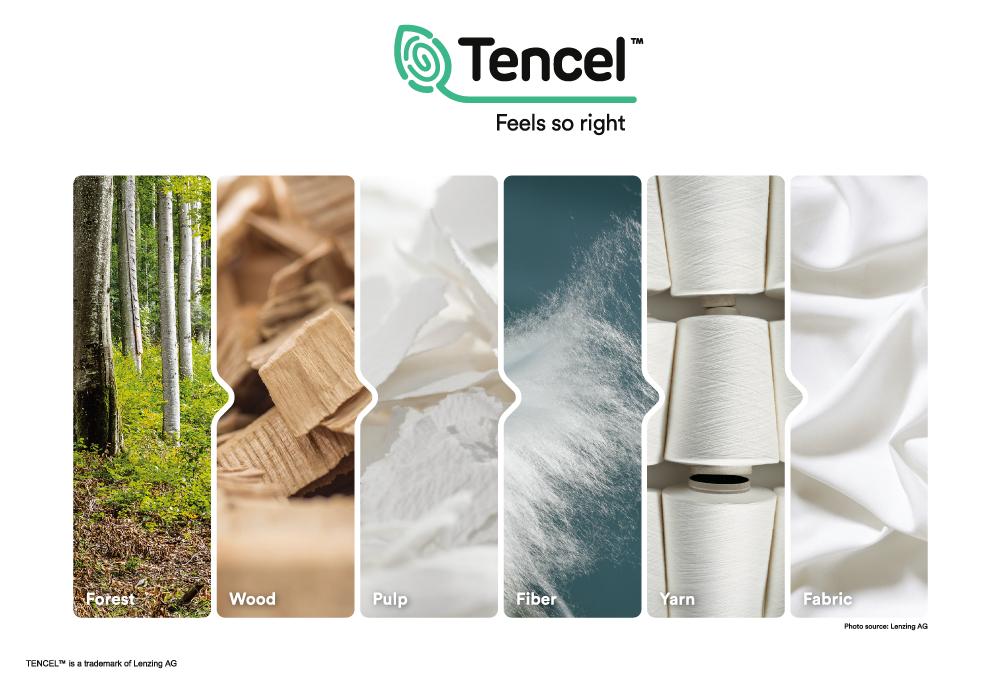
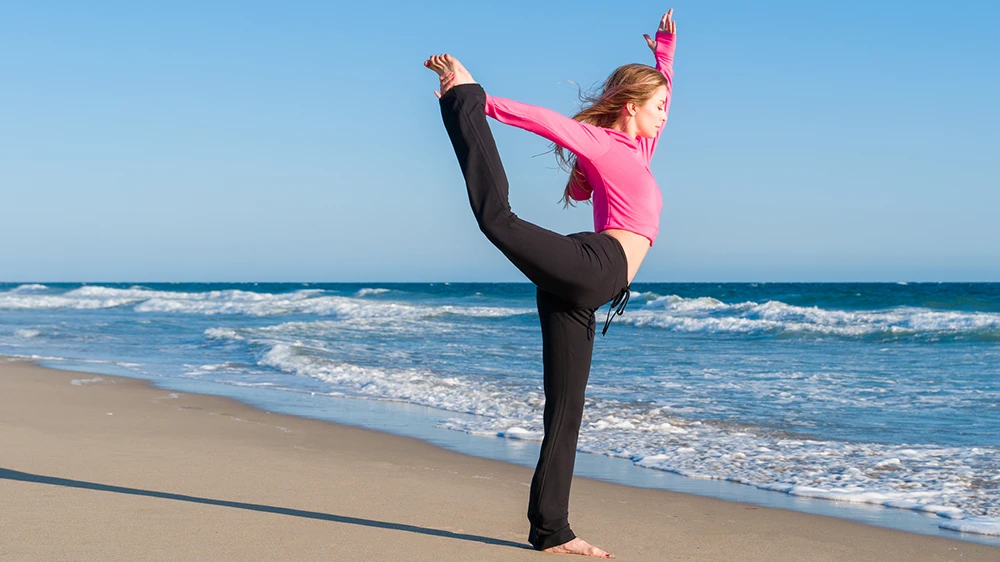

TENCEL™ Lyocell is one of the most advanced sustainable fabrics available today—and a standout for activewear.
Why it’s sustainable:
- Made from responsibly sourced wood pulp (often eucalyptus)
- Produced in a closed-loop system that reuses over 99% of water and solvents (SILVER SEA APPAREL)
- Biodegradable and compostable
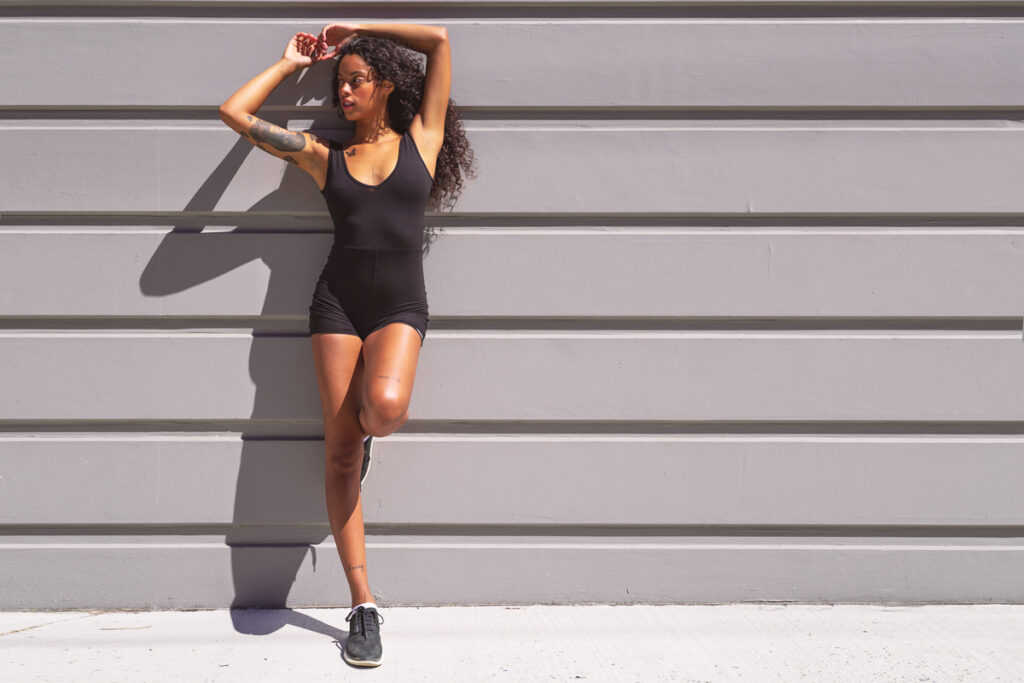
Why it’s great for activewear:
- Moisture-wicking and breathable
- Naturally antibacterial and odor-resistant
- Silky-soft and gentle on sensitive skin
Ideal for: yoga, working out, everyday wear and traveling.
2. Bamboo Fabric

Why Bamboo?
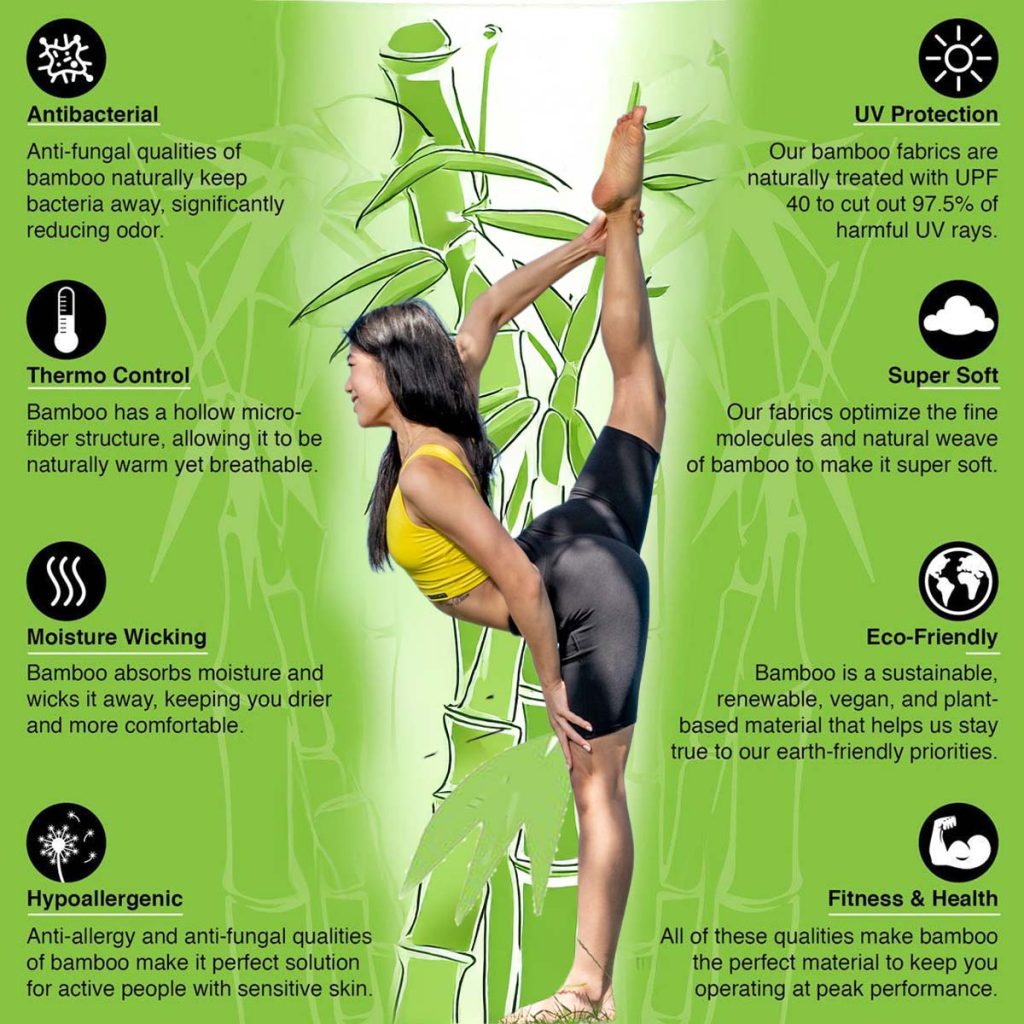
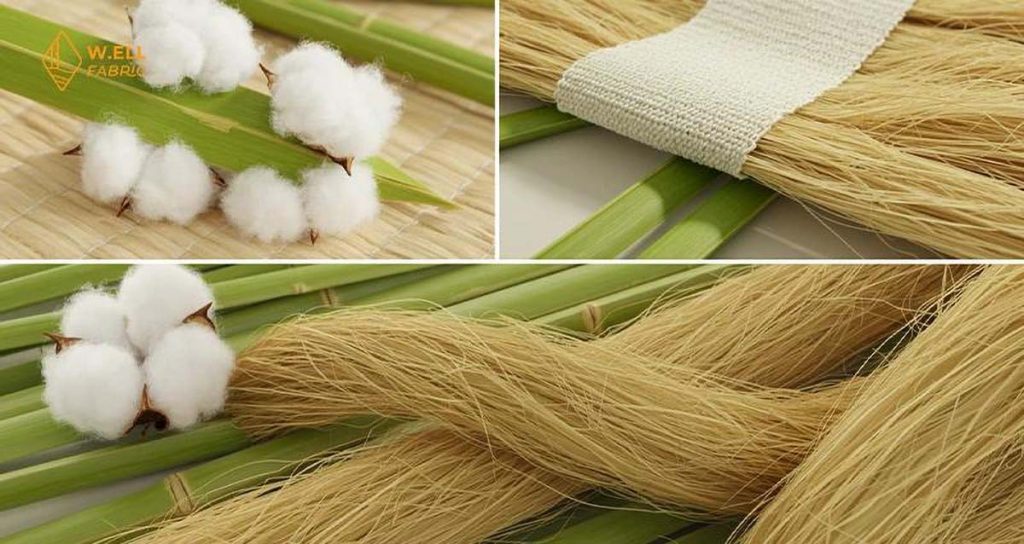
Bamboo is widely used in sustainable fashion—but not all bamboo fabrics are created equal.
Why it’s sustainable:
- Fast-growing plant requiring little water and no pesticides (Rinse)
- Renewable and naturally regenerative
Why it’s great for activewear:
- Ultra-soft and breathable
- Naturally moisture-wicking
- Good for sensitive skin
Tip: Look for responsibly processed bamboo (like closed-loop systems) to ensure true sustainability.
Ideal for: A versatile fabric and great for working out, traveling and casual wear.
3. Organic Cotton

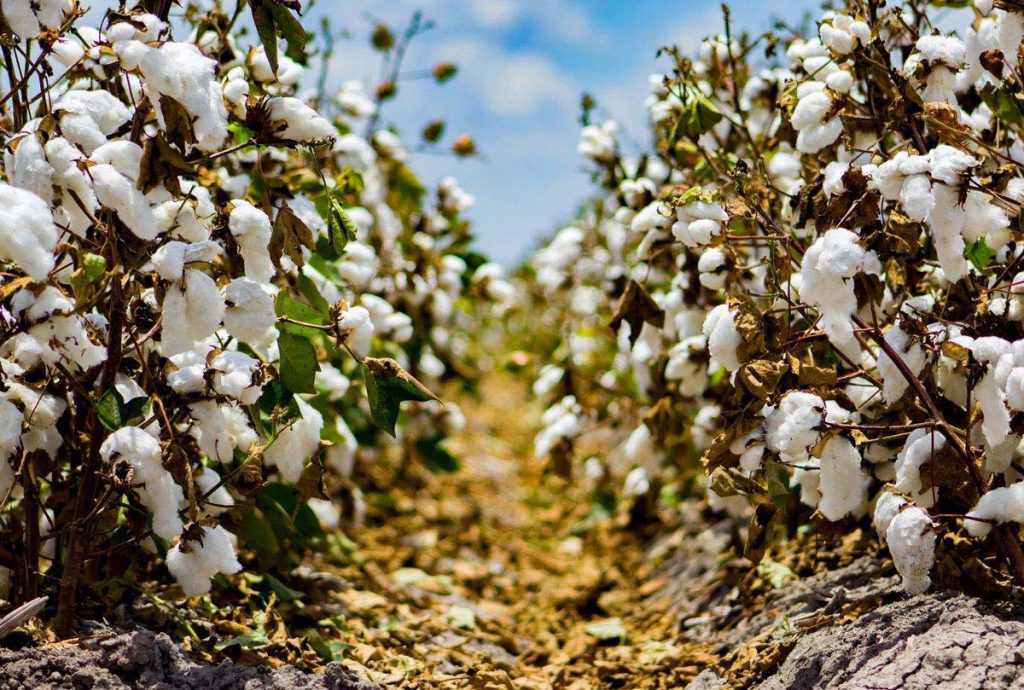
Organic cotton is a staple in sustainable wardrobes—and a strong foundation for activewear basics.
Why it’s sustainable:
- Grown without toxic pesticides or synthetic fertilizers
- Uses significantly less water than conventional cotton (Green Story)
Why it’s great for activewear:
- Breathable and soft
- Hypoallergenic and skin-friendly
- Durable for everyday wear
Ideal for: loungewear, layering, low-intensity workouts
4. Merino Wool


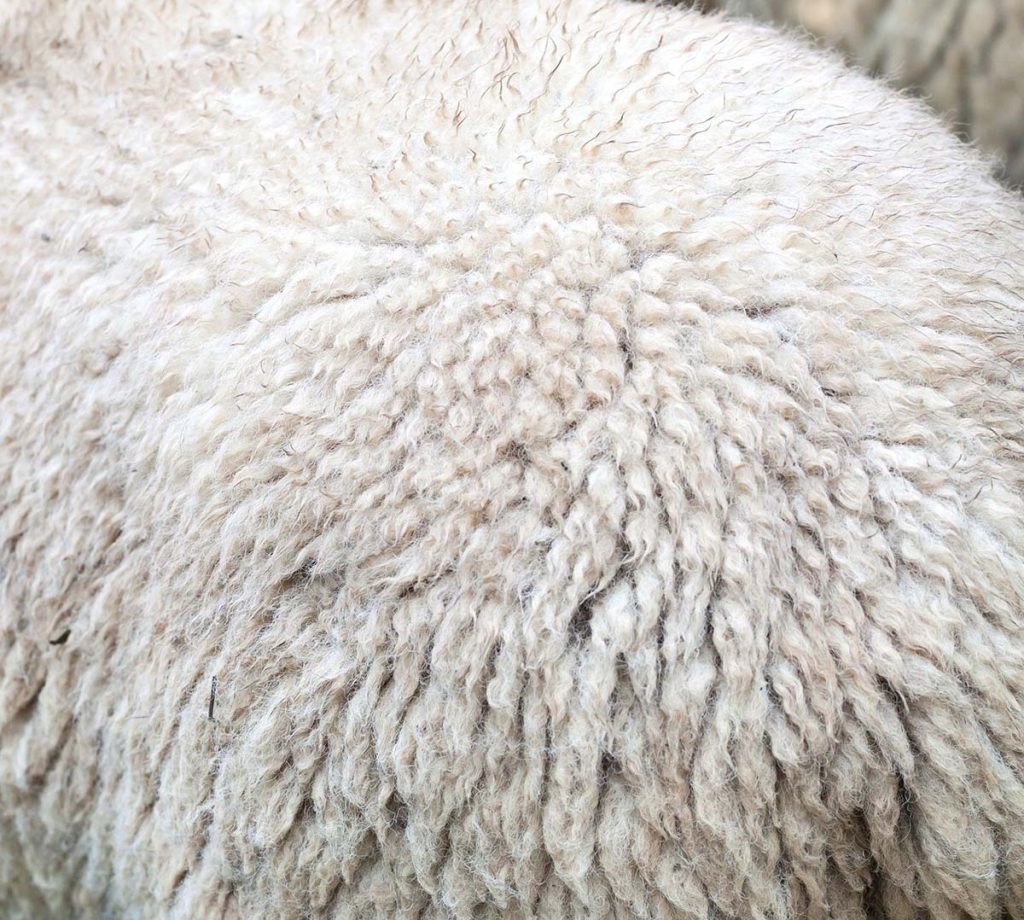

Merino wool may not be the first fabric that comes to mind for activewear—but it’s one of the most functional.
Why it’s sustainable:
- Renewable natural fixer
- Biodegradable
- Long-lasting (reduces need for frequent replacement)
Why it’s great for activewear:
- Temperature regulating (keeps you cool or warm)
- Naturally odor-resistant
- Excellent moisture management
Ideal for: intense workouts, hot weather, outdoor training, travel, layering
5. Linen
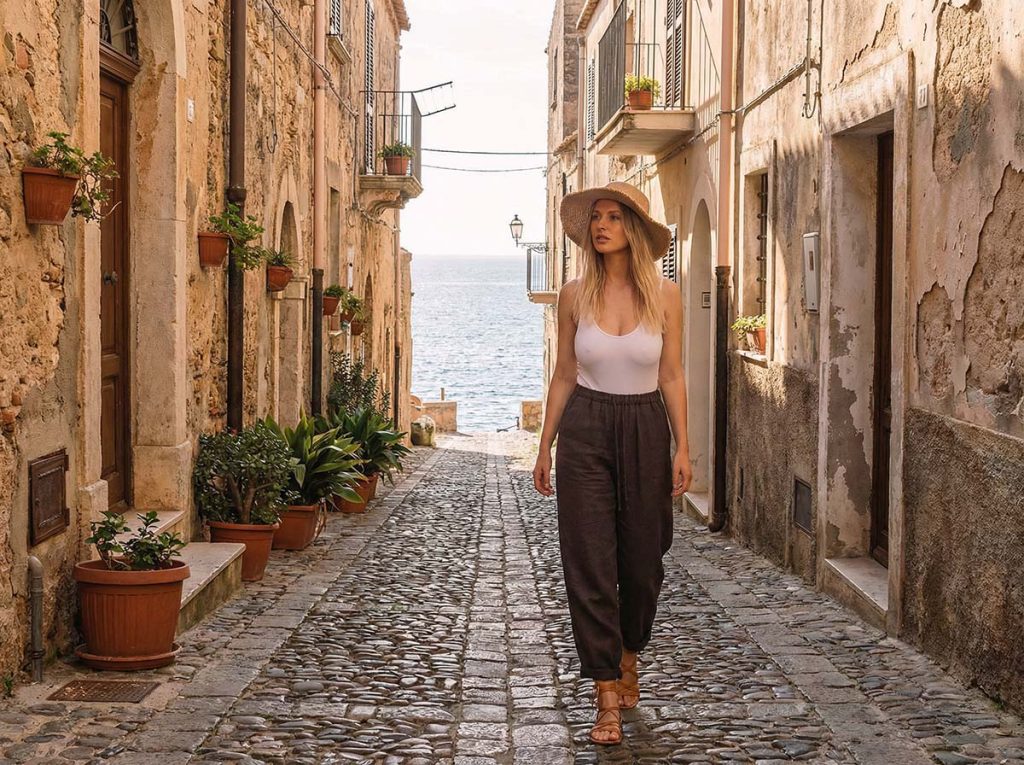
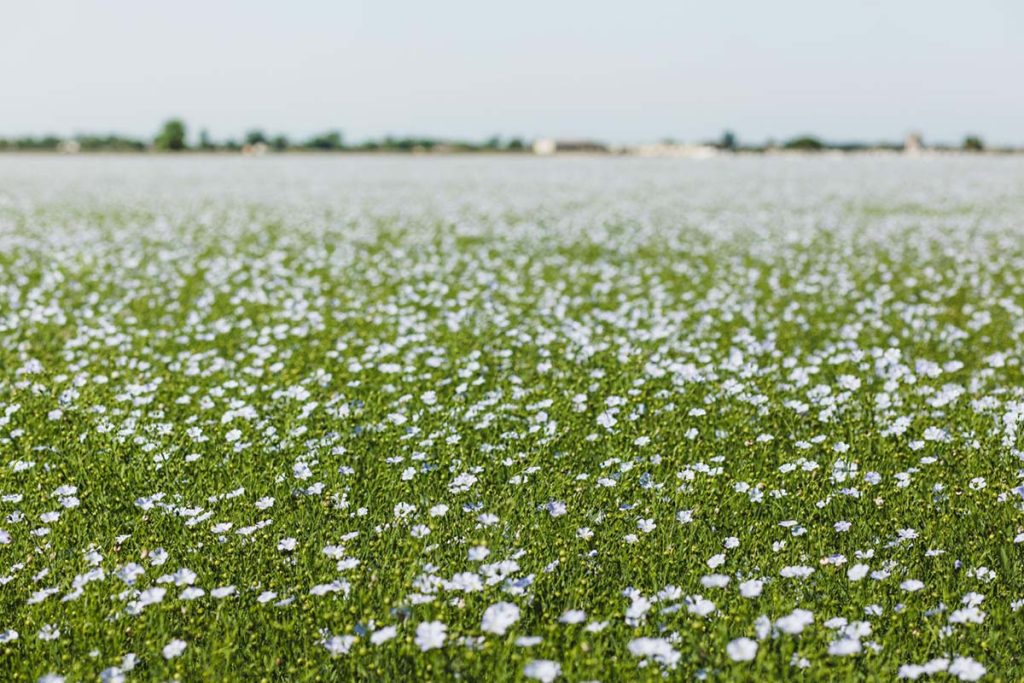
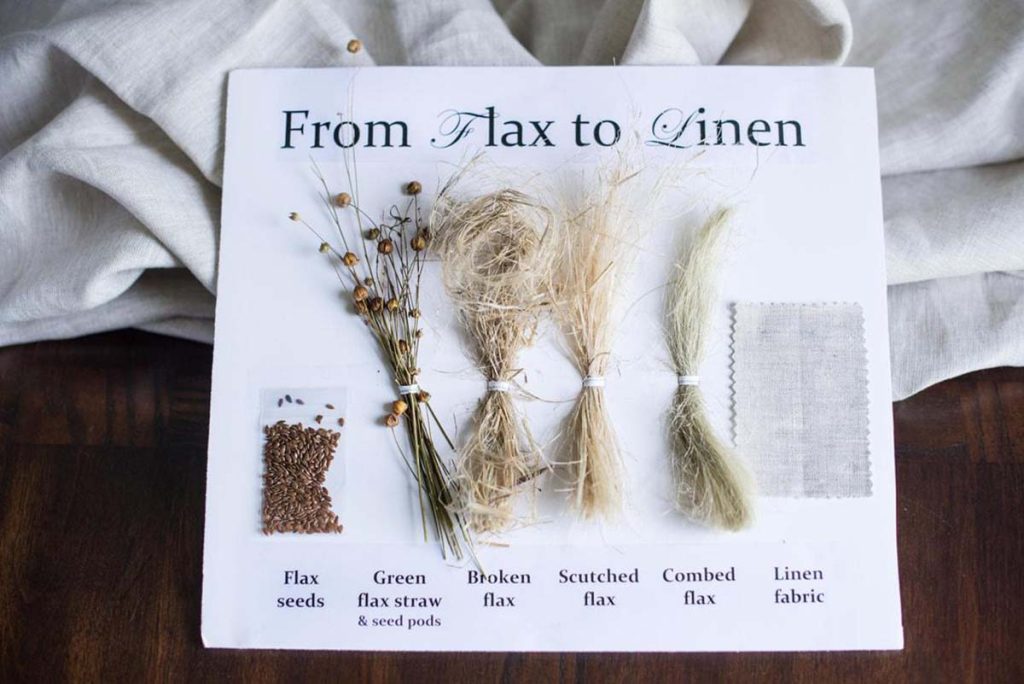
Linen, made from the flax plant, is one of the oldest and most sustainable fabrics.
Why it’s sustainable:
- Requires very little water and no pesticides (tasc Performance)
- Fully biodegradable
- Low environmental footprint
Why it’s great for activewear:
- Extremely breathable
- Lightweight and cooling
- Durable over time
Ideal for: warm climates, casual activewear, recovery days
Sustainable Fabrics & Your Health
Choosing sustainable fabrics isn’t just about the environment—it’s about what touches your skin every day.
Benefits include:
- Reduced exposure to harmful chemicals
- Better breathability = less irritation and overheating
- Natural fibers that support sensitive skin
Many eco-friendly fabrics are also antibacterial and hypoallergenic, making them ideal for long wear and workouts.
Fun Facts About Sustainable Fabrics ?
- TENCEL™ production reuses over 99% of water and solvents in a closed-loop system.
- Linen has been used for thousands of years and is still one of the lowest-impact fabrics. (Green Story)
- Bamboo can grow up to 3 feet in 24 hours, making it one of the fastest renewable resources.
- Sustainable fabrics help reduce water pollution, carbon emissions, and soil damage.
- The fashion industry is one of the largest polluters—making fabric choice more important than ever.
How to Choose the Best Sustainable Activewear
When shopping for sustainable activewear, look for:
- Certified materials (GOTS, FSC, etc.)
- Transparent supply chains
- Durable, long-lasting construction
- Fabrics that match your activity level
Final Thoughts
Sustainable activewear is no longer a niche—it’s the future of fashion. Fabrics like TENCEL™, bamboo, organic cotton, merino wool, and linen offer the perfect balance of performance, comfort, and responsibility.
If you’re looking to upgrade your wardrobe with pieces that align with your values, explore thoughtfully designed options at:
https://publicmyth.com/sustainable-activewear/
Because what you wear should feel good—on your body and for the planet.

Leave a Reply