
Most swimwear is made from the same two things: nylon or polyester. Both are petroleum-derived plastics, both shed microplastics in the wash, and neither breaks down meaningfully at the end of its life. That’s the baseline the entire category is built on.
The sustainable swimwear market’s usual answer to this is recycled nylon — ECONYL and similar fabrics, made from reclaimed fishing nets and post-industrial waste. It’s a real improvement over virgin nylon, and it currently dominates the “eco swimwear” conversation.
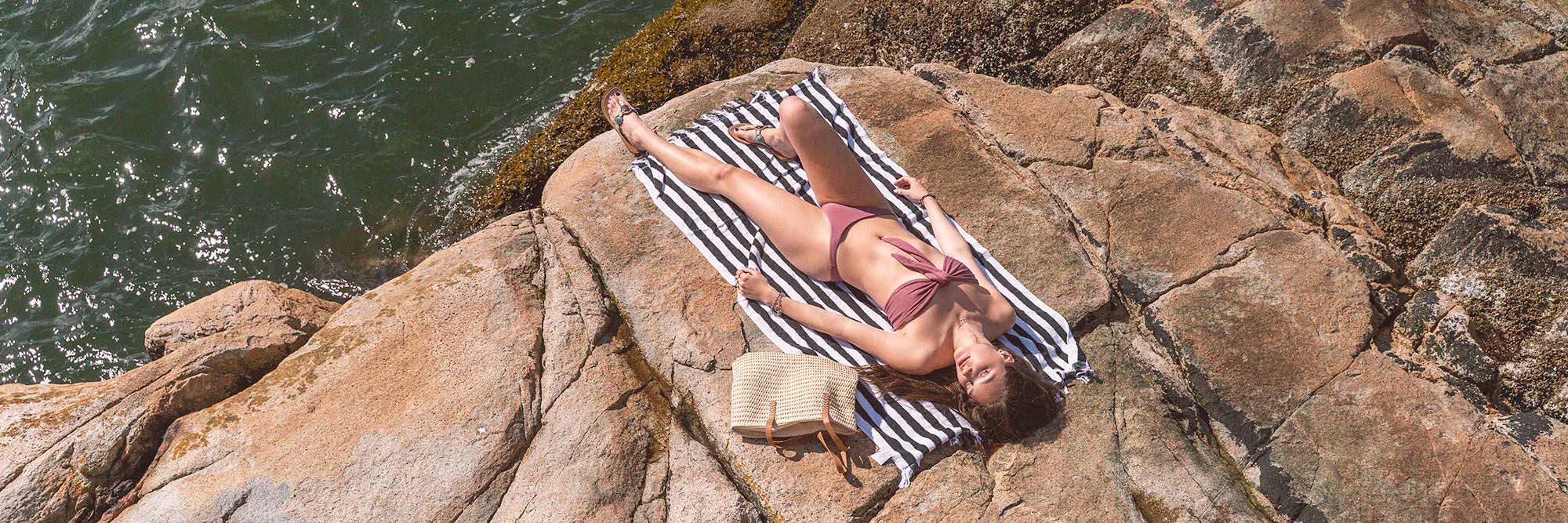
But it isn’t the only option, and it isn’t automatically the right one for every wearer. We’ve just added Tencel™ lyocell and organic cotton bikinis to our swimwear collection, which makes this a good moment to lay out how natural-fiber swimwear actually compares — including where it doesn’t win.
What is Tencel lyocell?
Tencel is a brand name for lyocell, a fiber made from wood pulp. The pulp is dissolved into a solution, extruded into fibers, and spun into fabric. What distinguishes it from older wood-based fibers like conventional viscose/rayon is the production process: it uses a closed-loop system, meaning the water and solvents used to break down the pulp are captured and reused rather than discharged.
The wood itself comes from managed sources — typically fast-growing species like eucalyptus, beech, and spruce. The resulting fiber is biodegradable, which is the fundamental difference from any nylon, recycled or not: a recycled nylon bikini is still a plastic garment at the end of its life. For more on the fabric we use click here.

Why blend it with organic cotton?
Pure lyocell has a smooth, almost silk-like hand-feel but relatively little structure on its own. Blending it with organic cotton adds body and breathability while keeping the softness. Organic cotton also avoids the synthetic pesticides and fertilizers used in conventional cotton growing, which is one of the more chemically intensive crops in the textile supply chain.
The practical result for a bikini: a fabric that feels closer to a soft everyday garment than a technical swim fabric — which is exactly the point for some wearers, and exactly the wrong choice for others. More on that below.
How the fabrics actually compare
Tencel lyocell + organic cotton
Strengths: Biodegradable. Genuinely soft against skin. Breathable. No synthetic chemical finishes needed for comfort. Produced in a closed-loop system with reduced water and chemical use.
Tradeoffs: Natural fibers absorb more water than synthetics, which means longer drying time than nylon. Less compressive stretch than spandex-heavy fabrics. Extended, repeated chlorine exposure is harder on natural fibers than on chlorine-resistant synthetics.
Best for: Beach days, lounging, casual swimming, travel, anyone with sensitive skin, and anyone who wants swimwear that doubles as warm-weather clothing.
Merino wool
Strengths: Naturally odor-resistant and temperature-regulating without chemical treatment. Dries faster than cotton-based natural fibers. Renewable and biodegradable.
Tradeoffs: Higher cost. Requires more careful washing than synthetics. Some people dislike wool against skin, though ultra-fine merino is markedly softer than standard wool and not itchy.
Best for: Active swimming, multi-day trips, anyone who wants performance from a natural fiber rather than a synthetic one.

Recycled nylon (ECONYL and similar)
Strengths: Fast-drying. Excellent stretch recovery. Chlorine-resistant. Diverts existing plastic waste from landfill and ocean.
Tradeoffs: Still plastic. Still sheds microplastics with every wash or swim. Still doesn’t biodegrade. Recycling reduces the impact of production but doesn’t change what the garment is or what happens to it at end of life.
Best for: Competitive or frequent lap swimming, heavy chlorine exposure, anyone prioritizing performance above all.
Conventional virgin nylon/spandex
Strengths: Cheapest. Widely available. Performs well technically.
Tradeoffs: Petroleum-derived, non-biodegradable, microplastic-shedding, and produced without any of the recovery or closed-loop systems the alternatives above use. There’s no environmental case for it.
The honest summary
If you swim laps in a chlorinated pool four times a week, a recycled nylon suit will outlast and outperform a natural-fiber one, and that longevity is its own kind of sustainability. We’d rather say that plainly than pretend otherwise.
If you’re at the beach, at the lake, on holiday, or you want something that doesn’t feel like a technical garment against your skin — natural fibers are a genuinely better experience, and they’re the only option in the category that biodegrades rather than fragmenting into microplastics.
Most people are in the second group. The swimwear industry has optimized around the first.
Caring for natural-fiber swimwear
The practical steps that extend the life of a Tencel and organic cotton bikini:
- Rinse in cool fresh water after chlorine or salt water exposure, ideally before it dries
- Hand wash or use a gentle machine cycle in a cold water
- Skip the dryer — lay flat to dry.
- Avoid wringing, which stresses the fibers
- Don’t leave it balled up wet in a bag
None of this is unusual for quality swimwear, but natural fibers are less forgiving of neglect than synthetics.
What we’re making
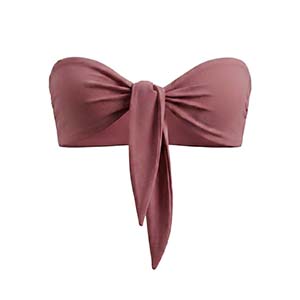
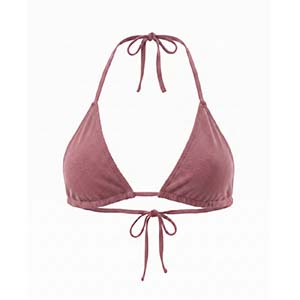
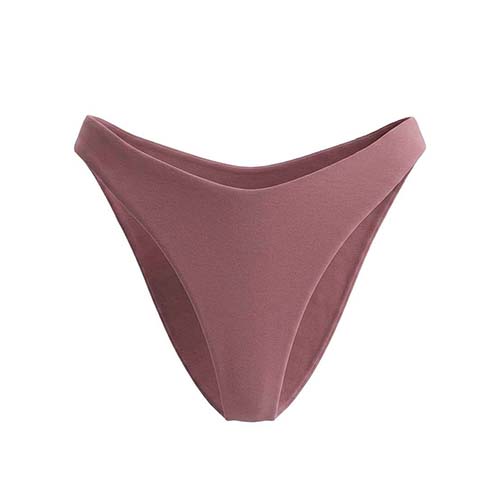
Our Tencel lyocell and organic cotton swimwear is certified to the OEKO-TEX® Standard 100, meaning the fabric has been independently tested and verified free from harmful substances. Everything is made in small batches by hand in Vancouver, BC with fabric scraps repurposed into accessories rather than discarded, and shipped in 100% plastic-free packaging.
You can see the full range in our sustainable bikinis collection, or read more about how and where we make things.
Read more about the sustainability in swimwear on these articles below
Leave a Reply